Delegate Handbook
Welcome to SPAMUN! This handbook will guide you through the essential rules, procedures, and best practices for participating in our Model United Nations conference. Whether you're a first-time delegate or a seasoned MUN participant, this resource will help you prepare for an engaging and successful conference experience.
Social, Humanitarian and Cultural Committee (SOCHUM)
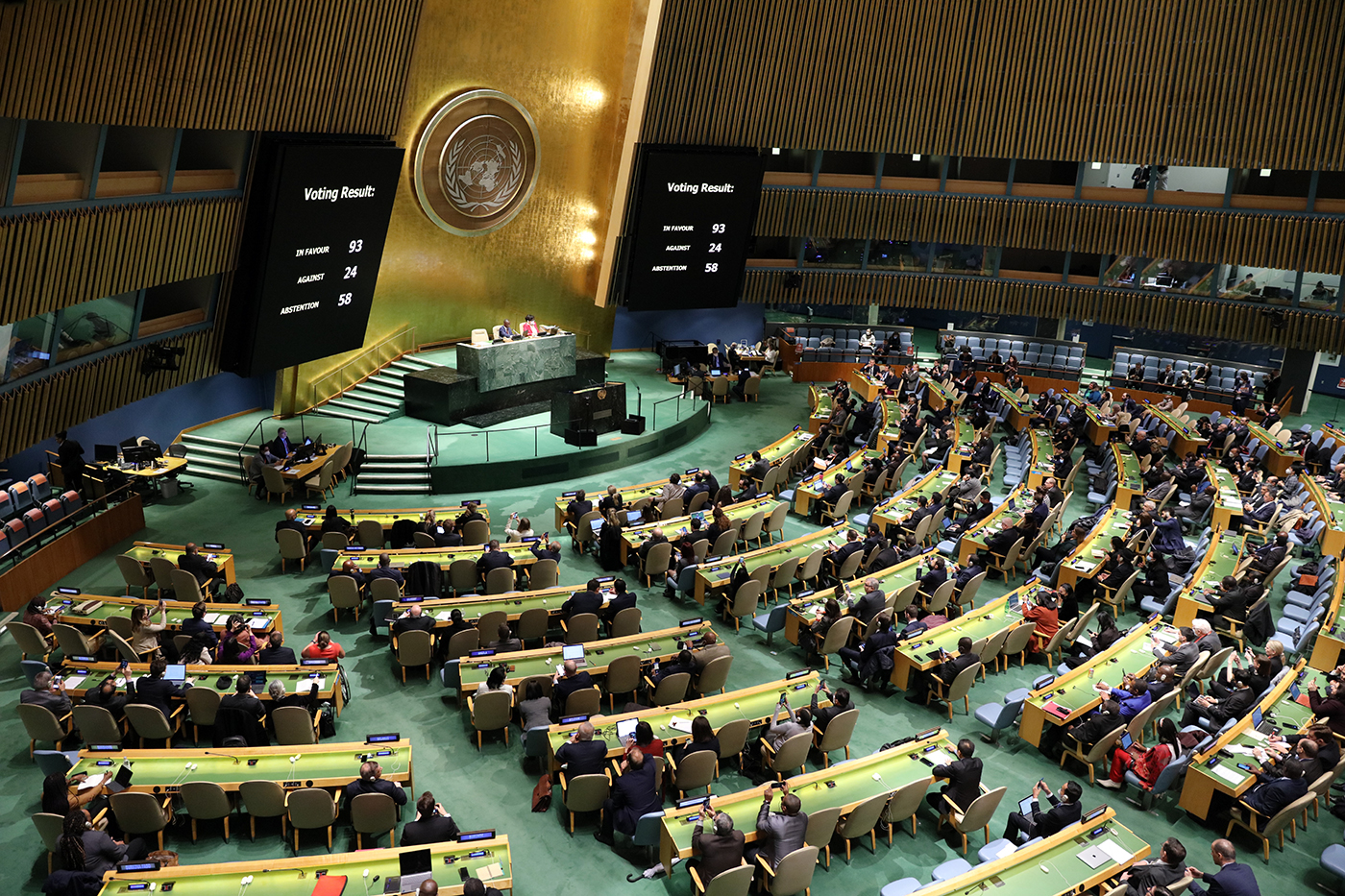
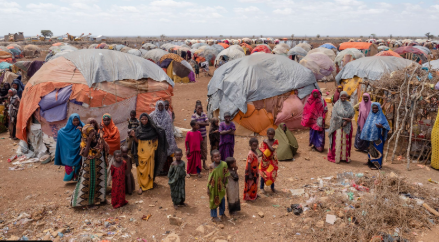
The Social, Humanitarian and Cultural Committee is the third Committee of the United Nations General Assembly. SOCHUM addresses social, humanitarian, and cultural issues including human rights, social development, protection of minorities and indigenous peoples, refugees and migration, and the preservation of cultural heritage.
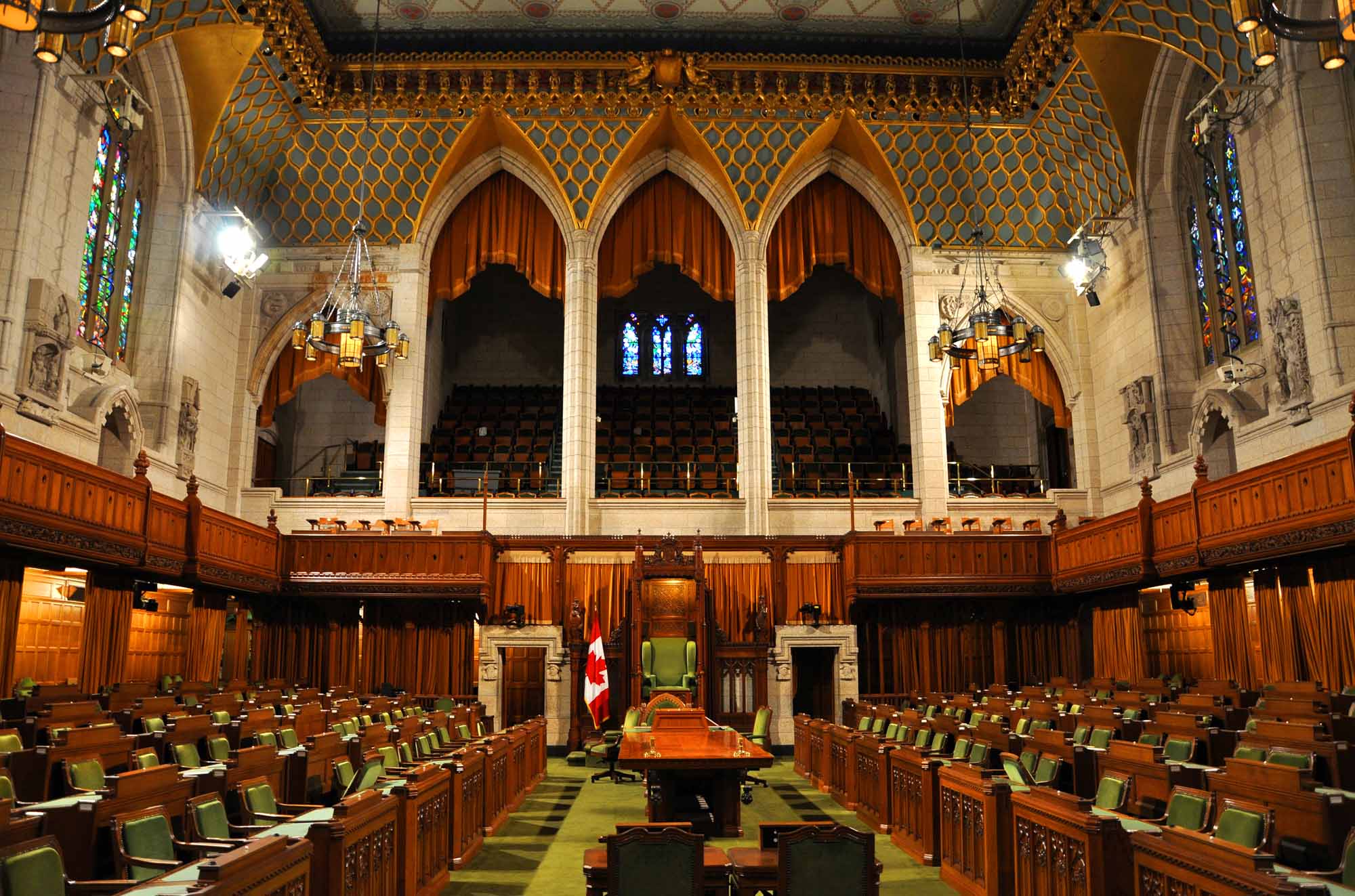
House of Commons (HOC)
The House of Commons is the primary legislative body composed of elected representatives who debate and pass laws, scrutinize government policy, and represent their constituents' interests. As the heart of parliamentary democracy, the House ensures government accountability, facilitates public debate on national issues, and shapes policy through legislative processes and committee work.

Disarmament and International Security Committee (DISEC)
The Disarmament and International Security Committee (DISEC) is a principal committee of the United Nations General Assembly focused on disarmament, non-proliferation, and measures to maintain international peace and security. DISEC examines weapons control, arms regulation, the impact of emerging military technologies, and confidence-building measures between states. The committee brings together delegates to negotiate legally and politically feasible approaches to global security challenges.
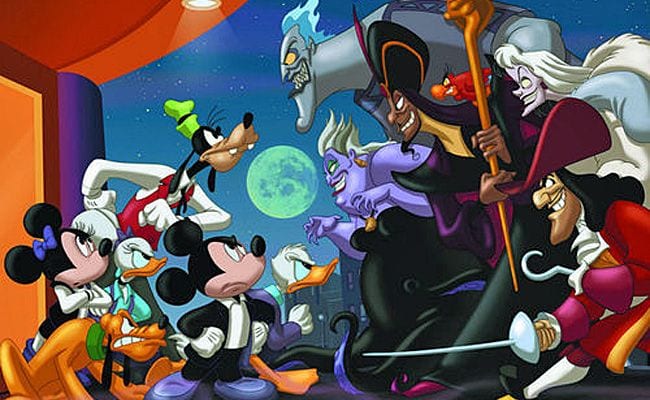
Fictional Joint Crisis Committee (FJCC)
The gates of Disneyland have opened into a multiverse of characters from all over Disney. Heroes and villains from all parts of the multiverse have been brought together as a result; the multiverse has begun to fracture due to the instability of all of the characters being together. Heroically, the Disney Heroes Alliance rushes to save the magic that holds the multiverse together. In the shadows, the Disney Villains Coalition attempts to take advantage of the situation to gain power over the multiverse.
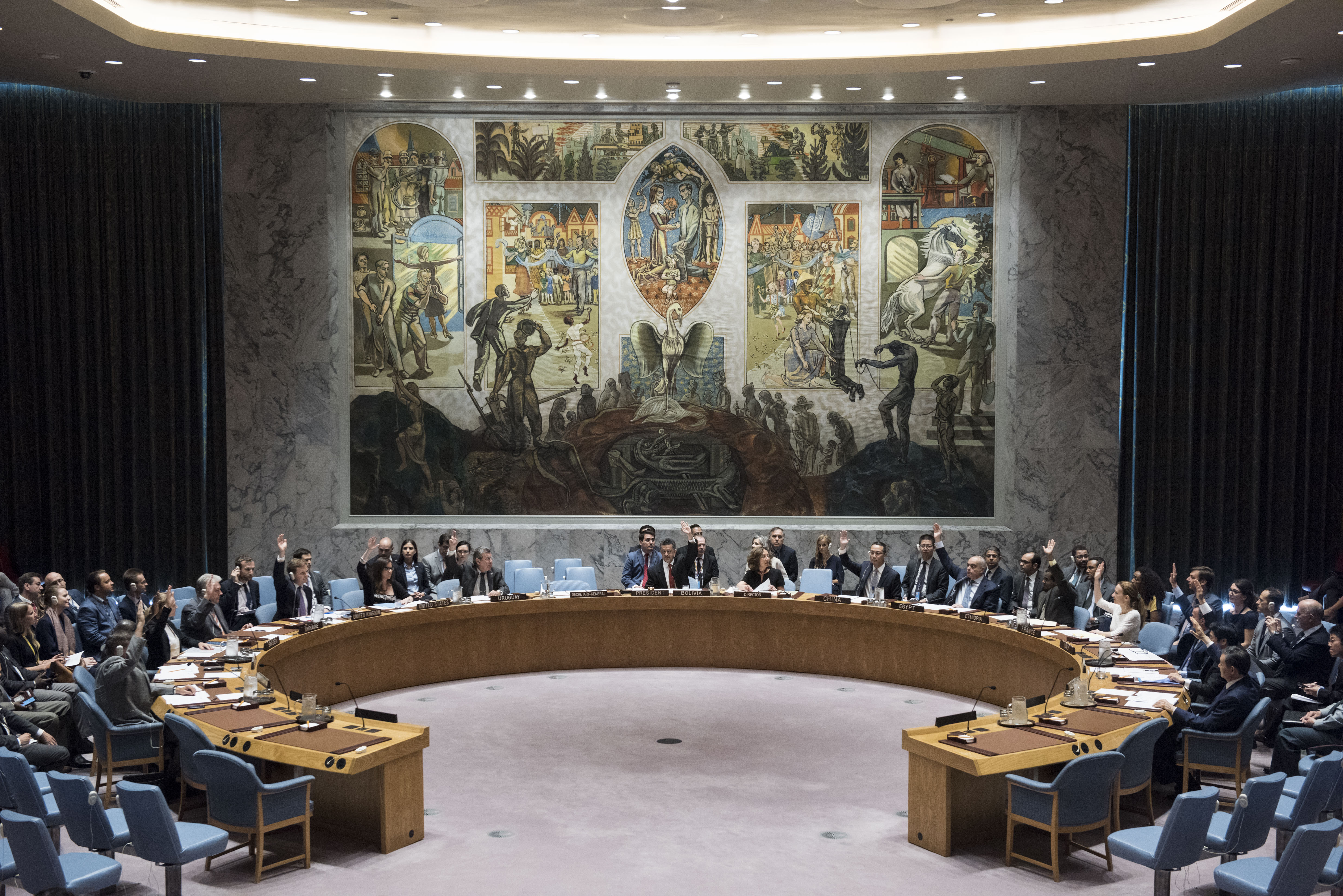
United Nations Security Council (UNSC)
The United Nations Security Council is one of the 6 principal committees of the UN and holds primary responsibility for maintaining international peace and security. Comprising fifteen member states, including five permanent members with veto power, the UNSC has the authority to bind resolutions, deploy peacekeeping missions. The committee offers an advanced and high stakes experience, requiring delegates to engage in complex negotiations and managing crises.
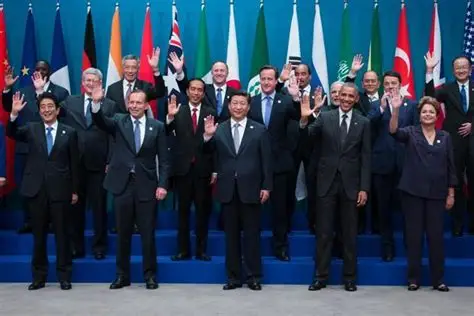
Group of 20 Summit (G20)
The Group of Twenty (G20) is a forum for the world's major economies to discuss economic issues across the globe. Summits focus on issues such as trade, development, and the handling of climate change. The group represents approximately 85% of the world's GDP and ⅔ of the world's population.
Join SPAMUN Now
Experience the thrill of international diplomacy, develop your public speaking skills, and make lasting connections with fellow delegates.