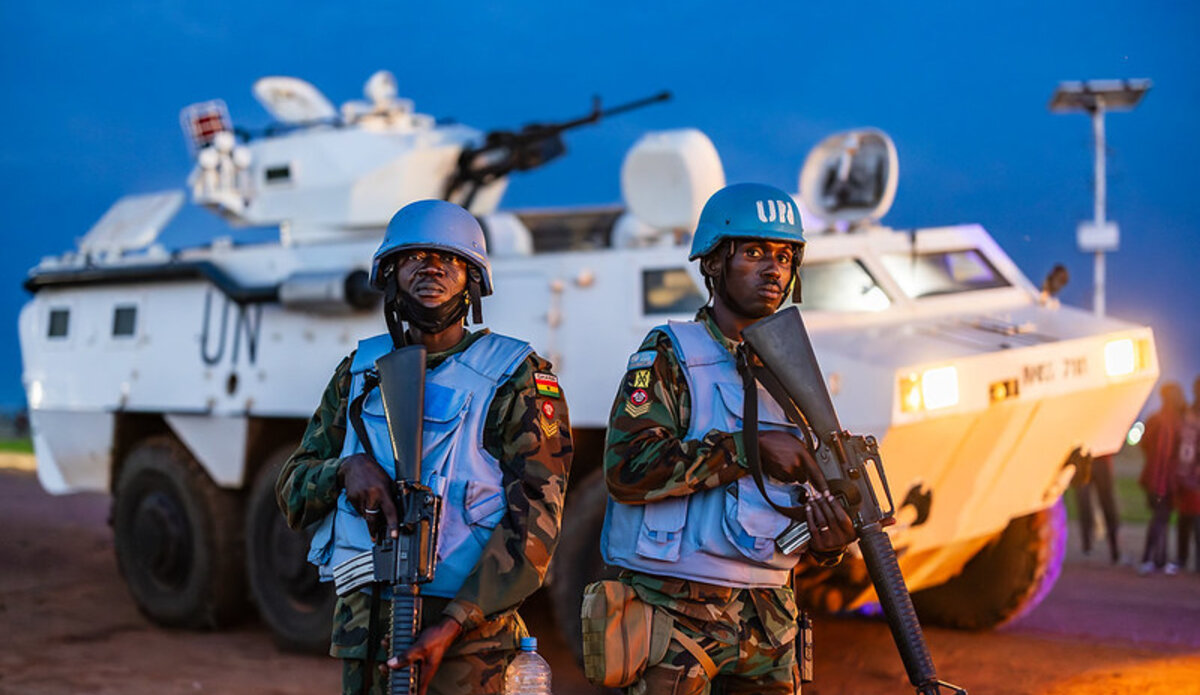
The Special Political and Decolonization Committee (SPECPOL) is the fourth Committee of the United Nations General Assembly. Established to oversee the decolonization of territories following WWII, SPECPOL now addresses a wide range of different political issues including peacekeeping operations, outer space affairs, and atomic radiation. As one of the six main committees of the General Assembly, SPECPOL plays a crucial role in addressing contemporary political challenges and maintaining international peace and security.
Committee Topic
Foreign Technological Interference and Its Threat to Political Self-Determination
SPECPOL's mandate has evolved significantly since its establishment, reflecting the changing nature of international relations and global challenges. Originally focused on decolonization, the committee now addresses a diverse range of topics, from the peaceful uses of outer space to the effects of atomic radiation. This evolution demonstrates the committee's adaptability and continued relevance in addressing pressing global issues.
The committee's work encompasses several key areas:
- Peacekeeping operations and their effectiveness in maintaining international peace and security
- Outer space affairs, including the peaceful uses of space and prevention of an arms race in space
- Effects of atomic radiation and nuclear safety
- Decolonization processes and support for non-self-governing territories
- Special political missions and their role in conflict prevention and resolution

Delegates in SPECPOL must navigate complex political landscapes while working towards consensus on sensitive international issues. The committee's work requires careful consideration of historical contexts, current geopolitical realities, and future implications of proposed solutions. Through diplomatic dialogue and negotiation, delegates will address contemporary challenges while upholding the principles of the United Nations Charter.
The committee's role in addressing both traditional and emerging political challenges makes it one of the most dynamic and relevant committees in the United Nations system. Delegates will have the opportunity to engage with critical issues affecting international peace and security while developing their diplomatic skills and understanding of global politics.
Get Ready For SPECPOL
Read the backgrounder, write position papers, and prepare for engaging debates!
Please send position papers to spamundelegateinquiries@southpointe.ca. Include your surname, forename, and delegation in the subject.
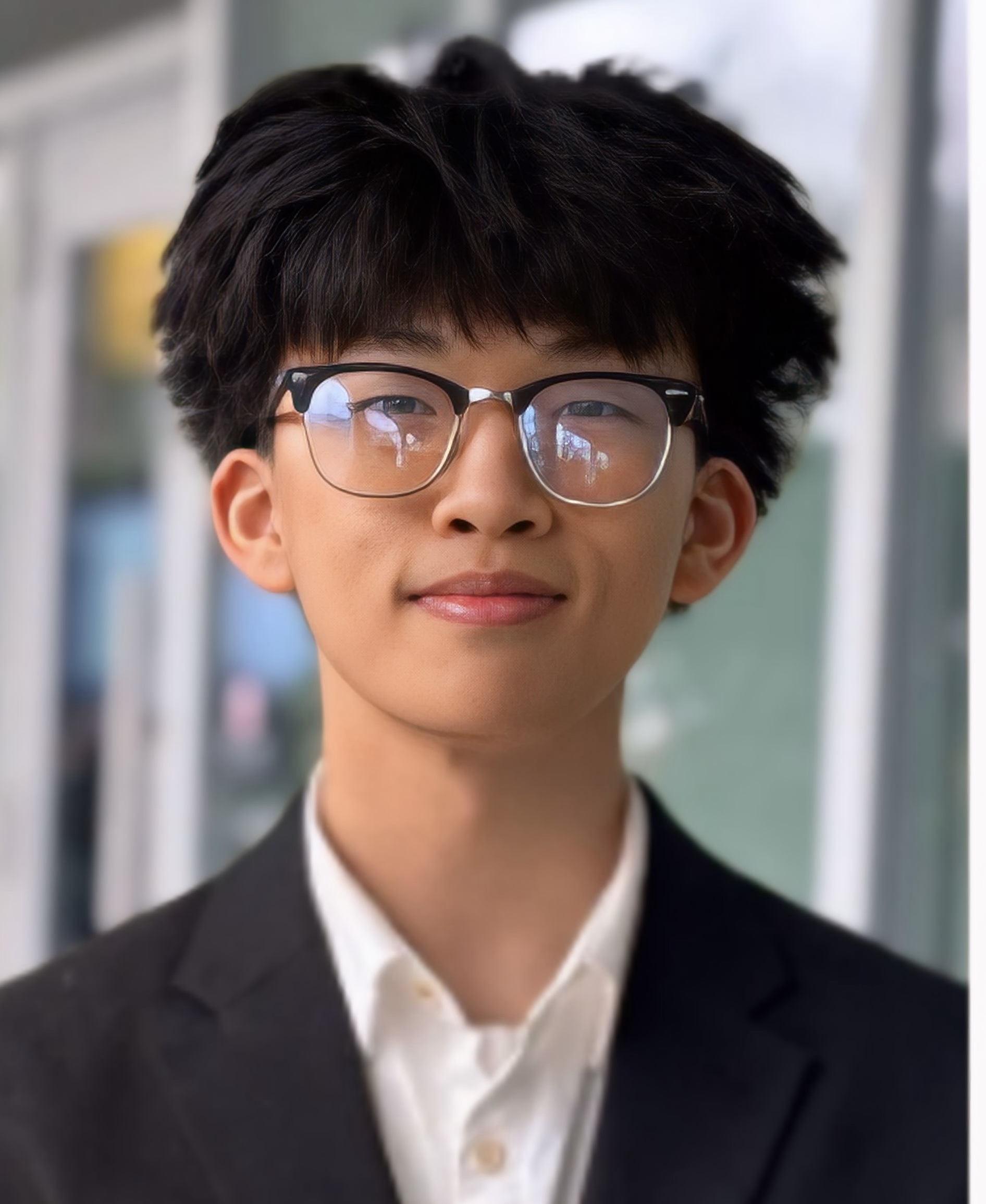
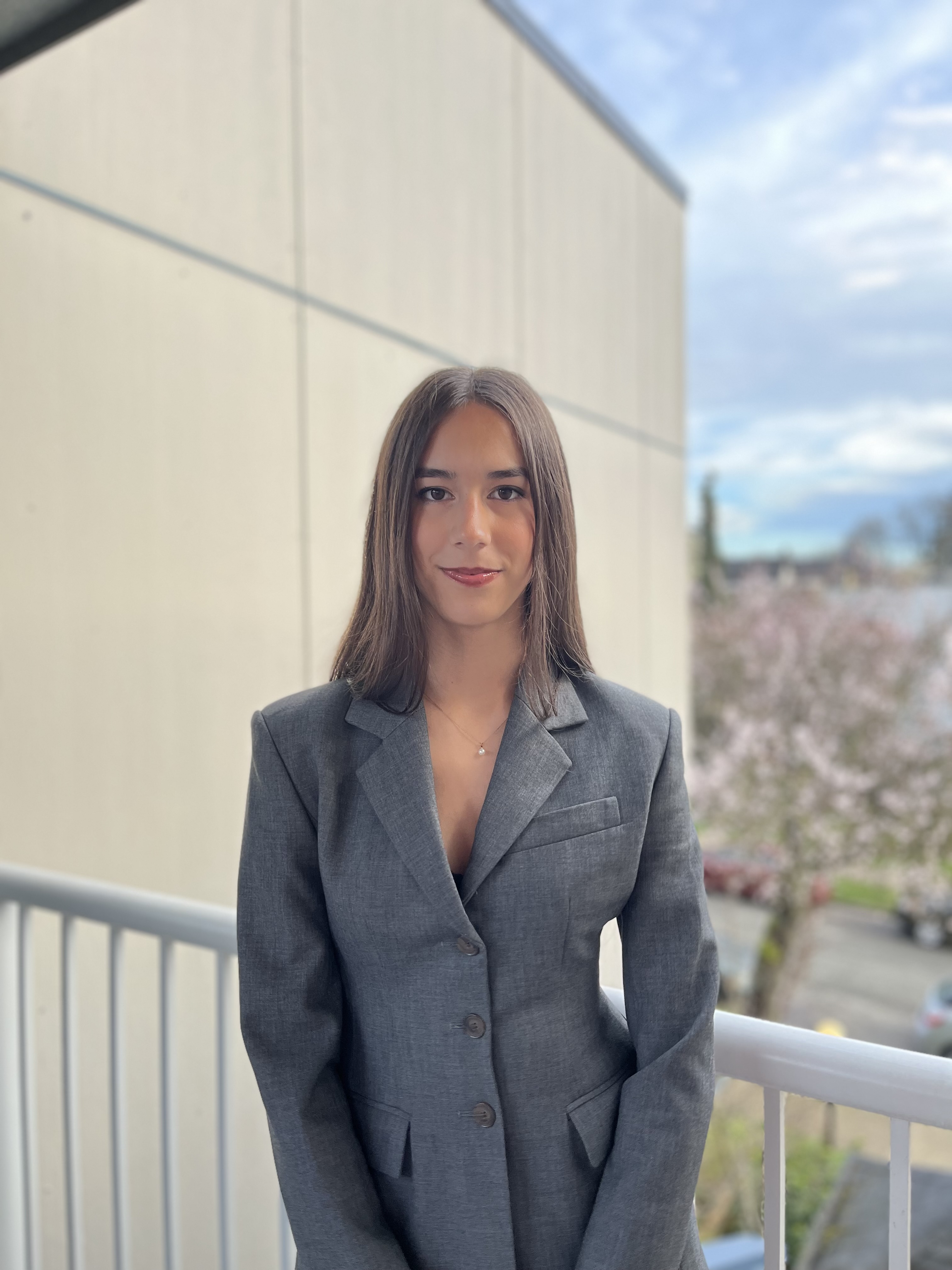
Meet the Dias

Join SPAMUN Now
Experience the thrill of international diplomacy, develop your public speaking skills, and make lasting connections with fellow delegates.